

Selling a House with Japanese Knotweed: A Cash Buyer
Few words empty a viewing diary faster than 'Japanese knotweed'. Lenders hesitate, buyers walk, and a sale that looked straightforward can stall for a season. We buy houses with knotweed as they are, for cash with no mortgage, and price the plant honestly rather than fearfully.
- Written offer
- 24 hrs
- Survey required
- No
- Treated or not
- Either
- Completion
- 7 days
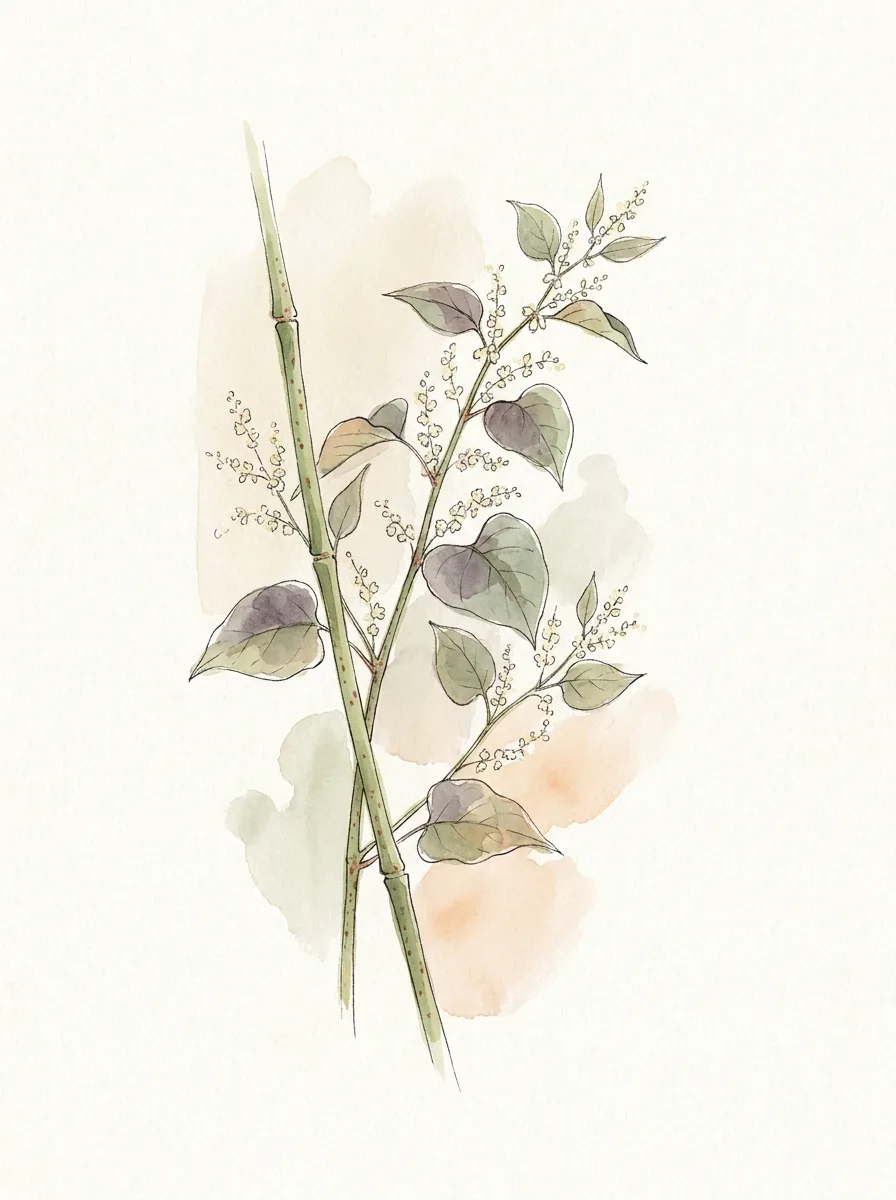
Few words empty a viewing diary faster than “Japanese knotweed”. A buyer’s survey flags it, their lender hesitates, and a sale that was moving quietly along can lose a whole season. It is one of the most common reasons a house ends up needing a “cash buyers only” listing.
We are one of those cash buyers. We buy houses with knotweed as they stand, directly and without a mortgage, and we price the plant in proportion to the real situation rather than the fear around it.
Knotweed is a manageable problem, not a life sentence for your property. What makes it hard to sell is not the plant itself, it is the mortgage lender behind your buyer. Remove the lender, and most of the difficulty goes with it.
Why knotweed frightens a normal sale
Japanese knotweed is fast-growing and its roots can travel underground, which is why it makes surveyors and lenders cautious. The worry is rarely structural damage to the house. It is the cost of treatment, the possibility of spread, and the effect on future resale, all of which a mortgage lender has to weigh before lending against the property.
When a buyer’s lender takes fright, the sale stalls, the buyer walks, and you are back to the start. Repeat that once or twice and the open market starts to feel closed.
Is a knotweed house really unmortgageable?
Often, no. The picture has softened. Since RICS updated its guidance in 2022, the old rigid “seven metre rule” gave way to a risk-based assessment, and many lenders will now lend where there is a professional treatment plan with an insurance-backed guarantee in place.
But “many lenders” is not “all lenders”, and a management plan takes time and money to put in place. If your buyer’s particular lender is one of the cautious ones, or you simply do not want to wait, a cash sale removes the lender from the equation entirely.
You must disclose it
This part is not optional. The TA6 Property Information Form asks directly whether the property is or has been affected by Japanese knotweed. You are legally required to answer honestly, and a buyer who later discovers undisclosed knotweed can bring a misrepresentation claim, which courts have upheld with real financial consequences.
Selling to us does not change this. We buy with full, honest disclosure, and that honesty protects you. If you are unsure of the history, say so; “not known” is an answer, and a truthful one is always safer than a hopeful one.
How we price a house with knotweed
We start from what the house would be worth without the knotweed, then account for the specific situation:
| Situation | Typical effect on offer |
|---|---|
| Treated, with management plan and insurance-backed guarantee | 3–8% |
| Under active treatment, part-way through | 5–12% |
| Untreated, away from the building | 8–15% |
| Untreated, close to or against the building | 12–20% |
These are guides, not fixed figures. The distance from the house, the extent of growth, and whether a guarantee already exists all move the number. We set out each part of it in your written offer, and you can read how we calculate a cash offer for the full method.
Treated, untreated, or just discovered
It makes no difference to whether we will buy. We take on properties that are mid-treatment, ones with a completed programme and a guarantee, and ones where the knotweed has only just been found and nothing has been done yet. You do not need to have a plan in place before you talk to us.
What we need from you
- The postcode and address.
- What you know about the knotweed: roughly where it is, how long it has been there, and whether any treatment has been done.
- Any paperwork: a treatment plan, guarantee, or surveyor’s report, if you have them. If you do not, that is fine.
- What a previous buyer’s lender said, if a sale has already fallen through.
Start an offer
If knotweed has stalled your sale, or you have just found it and want to know where you stand, share the details. We will come back within 24 hours with a written, no-obligation offer and a plain explanation of the figure. This page sits under our wider guide to selling an unmortgageable property.
Frequently asked,
plainly answered.
01 Does Japanese knotweed make a house unmortgageable?
02 Do I have to tell buyers about the knotweed?
03 Will you knock a lot of money off for the knotweed?
04 Do I need to treat it before selling to you?
05 How is knotweed actually dealt with?
06 It is my neighbour's knotweed, spreading onto my land. Can you still buy?
07 How quickly can you complete?
Other situations
we take on.
Non-standard construction
Airey, Cornish, Wates, BISF, Woolaway: the names of post-war housing systems that mortgage lenders treat with suspicion. If your home was built outside the usual brick-and-block tradition, your buyer's lender may simply refuse it. We buy non-standard construction property for cash, whatever the system.
Read more →Probate property
When a loved one's home has been left to you, selling it rarely comes at a good time. We buy probate properties directly for cash: patiently, without pressure, and without requiring you to clear the property first.
Read more →Unmortgageable property
'Cash buyers only' is a line that narrows the market dramatically: for some properties, almost to zero. We specialise in the properties that mortgage lenders reject. If a bank has declined your property, or your estate agent has warned you to brace for a 'cash buyers only' listing, we're often the answer.
Read more →