

Sell a Probate House or Flat: Cash Offer for Executors and Beneficiaries
When a loved one's home has been left to you, selling it rarely comes at a good time. We buy probate properties directly for cash: patiently, without pressure, and without requiring you to clear the property first.
- Written offer
- 24 hrs
- Completion after grant
- 7 days
- Contents clearance
- Not required
- Seller fees
- £0
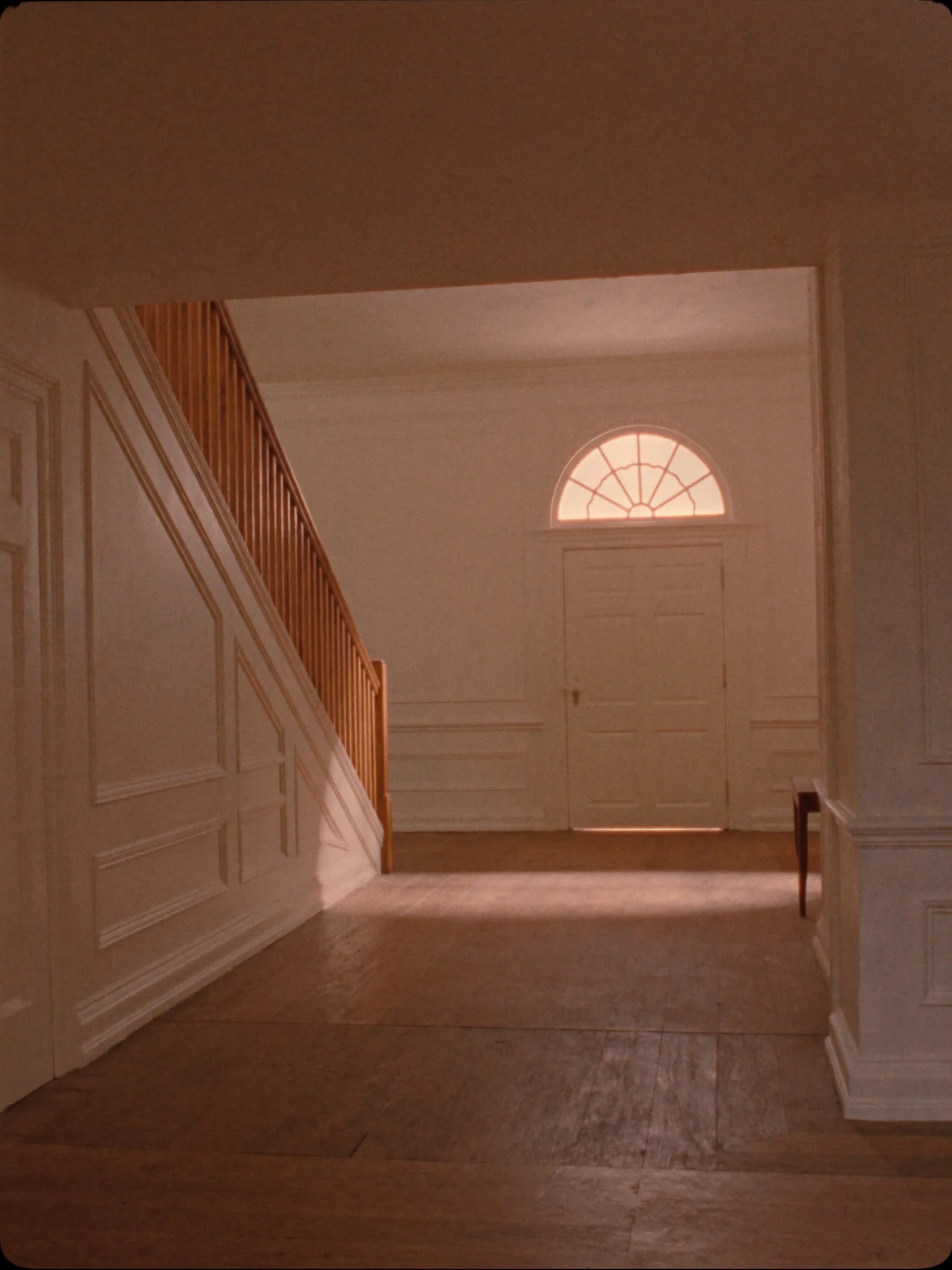
Selling an inherited property is unlike any other property transaction. You’re usually navigating grief, sometimes sibling dynamics, always a set of unfamiliar forms and a property you may not have lived in for decades, or ever. The open-market route, with viewings, surveys, and fall-throughs, is rarely what executors want to be coordinating in the months after a death.
We buy probate property directly, for cash. We’re patient, we’re quiet, and we take the logistics off you.
Selling before vs. after grant of probate
You can begin selling before grant of probate is issued: market the property, accept an offer, instruct solicitors. You cannot legally complete until the grant (or letters of administration for intestate estates) is in the executor’s hands.
In practice, this means our process with probate sales runs in two parallel tracks:
- Your probate application proceeds through HMCTS on its usual timeline (a few weeks online, longer on paper or if the registry needs more information).
- Our offer and legal preparation proceeds in parallel: we research the property, send a written offer within 24 hours, and, on acceptance, instruct solicitors and begin title checks.
When the grant is issued, both tracks are ready. Exchange of contracts often happens within a few days, and completion within a week after that. Total time is essentially dictated by the probate timeline, not the sale.
What makes probate sales different
Probate properties have a cluster of characteristics that together make open-market selling awkward:
- The property is often empty. Insurance becomes complicated (most policies limit cover after 30 days unoccupied), and empty homes deteriorate quickly: damp, mould, seized plumbing, and tired decoration accumulate fast.
- The condition is often dated. Properties lived in by one owner for decades typically need modernisation: kitchens, bathrooms, rewiring, sometimes structural work. Mortgage lenders restrict lending on poor-condition properties; buyer pool shrinks.
- Sentimental value is in the room. Clearing the contents of a family home is not a weekend task. Executors often want to complete the sale without dismantling the entire family archive first.
- Multiple decision-makers. Two or three siblings inheriting together rarely share exactly the same view on timing, price, or next steps. This often slows open-market sales to a standstill.
- Time pressure is uneven. Sometimes there’s urgency (the estate needs liquidity to distribute or settle tax); sometimes there’s none (a single executor with no rush). A good buyer reads the actual pressure, not the assumed one.
How we handle probate property differently
- We wait. We don’t push executors to chase the Probate Registry, and we don’t withdraw if the grant takes longer than expected. Our written offer holds.
- We buy with contents. You take what you want to keep; we take everything else. No professional clearance required, no skip hire, no emotional decisions about your parents’ books.
- We work directly with executor solicitors. No estate agent intermediary. No marketing period. No viewings. One straightforward legal process.
- We absorb the condition. We buy as-is. Tired bathroom, outdated kitchen, cracked render: none of it requires fixing before we complete.
- We communicate to executors, not beneficiaries. The legal route runs through executors, and we respect that. If beneficiaries have questions, the executor can share our written offer, which is always plainly worded.
When the house has been left for years
A particular kind of inherited property comes up again and again: the house nobody has touched in twenty years. One owner, a long time in residence, and then a decade or more of nothing being done. The kitchen and bathroom are original, the wiring is old, the roof has been letting water in somewhere, and every room is still full of a lifetime’s belongings. Often the beneficiaries live hours away, or abroad, and the thought of managing a clearance, a renovation and a marketing campaign from a distance is the reason nothing has happened yet.
This is the property we are best suited to. We buy it exactly as it is, contents and all. You take what you want to keep and we deal with the rest after completion. No clearance, no skips, no builders to brief, no viewings of a house you would rather people did not see in that state. If the property has gone past tired and into genuine disrepair, our page on selling a derelict or empty property covers how we handle that. If you are managing the estate from overseas, see inherited UK property when you live abroad.
The honest financial picture
Our probate offers typically land between 80% and 92% of open-market value. That percentage is of what the property is worth as it stands today. For a house that has not been touched in twenty years, that is a lower figure than the same house renovated, because any buyer would price the work in, and an estate agent would value it the same way. What we will not do is take the as-is value and then discount it again for the condition. The work is already in the number.
The margin covers our costs (legal, stamp duty, any works required, the risk of a firm-date commitment) and, where relevant, a small allowance for the extra patience probate sales require.
Before comparing that to an open-market figure, factor in what the open market costs the estate:
- Carrying costs while the property is marketed and sale proceeds: insurance (higher than occupied rate), council tax (most empty property premiums kick in after 12 months), utilities, maintenance. Budget £400–£900 per month.
- Estate agent fees: typically 1–2.5% plus VAT of sale price.
- Legal fees on the open market if not covered: £800–£1,500.
- Fall-through risk: ~25% of open-market sales collapse between offer and completion, restarting the clock.
On a £300,000 property, our offer at 88% is £264,000. An open-market sale at 100% is £300,000, but after 5 months of carrying (~£3,500), estate agent fees (£6,000), and legal (£1,200), the net proceeds are £289,300, and the timeline was 6 months instead of 6 weeks. The honest gap is often narrower than the headline figures suggest.
Related terms and processes
This page touches several terms that appear across UK property sales:
- Grant of probate: what you need before completion.
- Exchange of contracts: the legal moment a probate sale becomes binding.
- Conveyancing: the legal process for executors.
- Cash buyer: what we are and how that speeds completion.
- TA6 form: standard seller disclosure. Executors complete this with solicitor support.
For the broader context, see our guide to selling inherited property, and our London and Manchester pages for local-market specifics.
Start a probate offer
Share the property’s postcode and a short note on your circumstances. We’ll come back within 24 hours with a written, no-obligation offer, and an honest conversation about whether a cash sale is the right choice for the estate.
Frequently asked,
plainly answered.
01 Can you buy a probate property before grant of probate is issued?
02 How long will we need to wait for the grant of probate?
03 Do we need to clear the property before you buy it?
04 What if there are multiple beneficiaries who can't agree?
05 Will selling fast reduce what the estate receives?
06 What about capital gains tax on the sale?
07 Do you buy probate property across the UK?
Other situations
we take on.
Chain-break rescue
A collapsed UK property sale is one of the worst experiences of modern homeownership. You're weeks from completion, you've committed to an onward purchase, and suddenly your buyer has walked. If it's happened to you in the last few days, we can often still save the onward deal, but speed matters.
Read more →Inherited from abroad
Inheriting a UK home when you live abroad combines grief with a tangle of cross-border admin: probate from a different country, an empty house deteriorating, NRCGT, and a 60-day HMRC clock most heirs don't know about. We buy directly, wait patiently for probate, and handle the parts that are hardest from another time zone.
Read more →Derelict or empty property
A house that has stood empty for years is a strange kind of asset. It costs money every month, it attracts council tax premiums and unwelcome attention, and the longer it sits the worse it gets. Nobody with a mortgage can buy it and most people with cash would rather not. We would. We buy derelict and empty property as it stands, and we take on the clearing, securing and rebuilding ourselves.
Read more →